
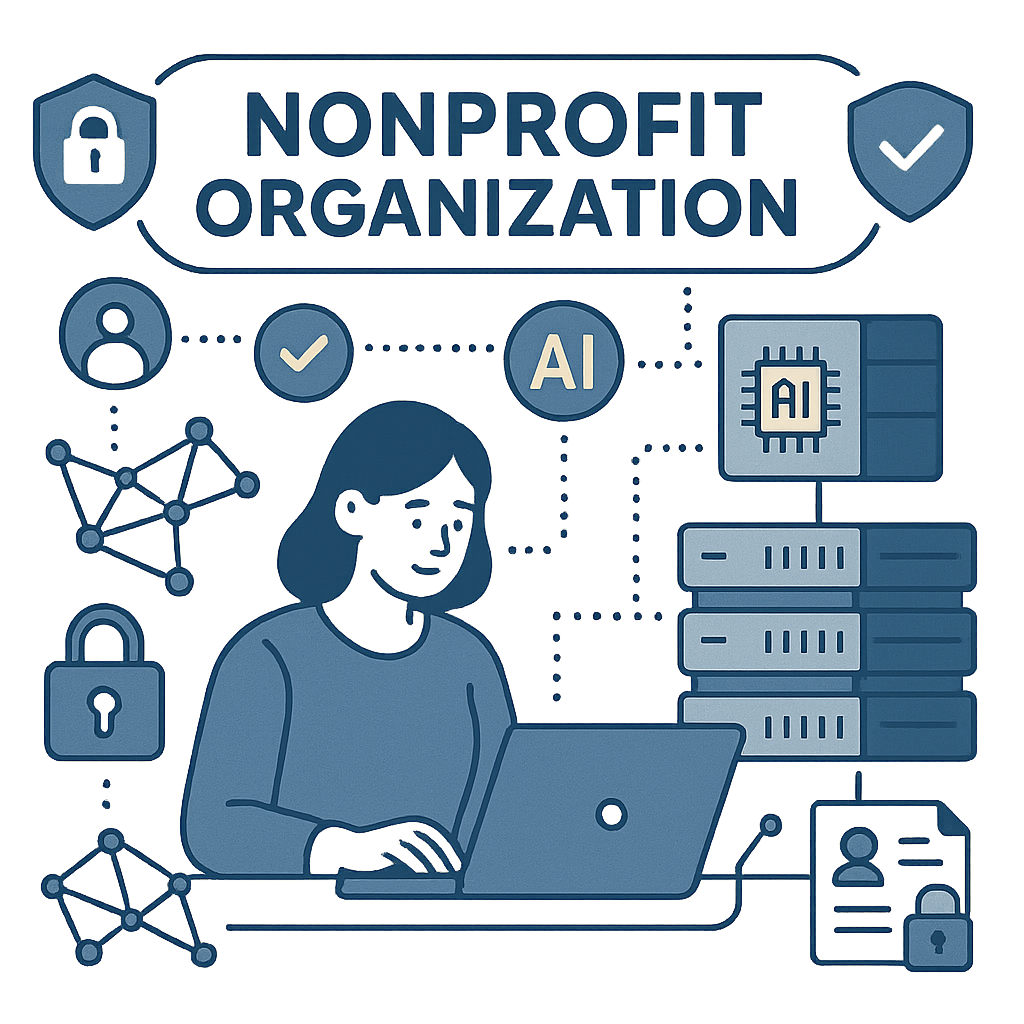
Local AI: Data protection and control through data sovereignty solutions

Local AI solutions offer non-profit organizations new opportunities to process sensitive data securely and in compliance with data protection regulations - and thus strengthen their control over their own information.
Opportunities of local AI for non-profit organizations
Non-profit organizations are increasingly faced with the challenge of processing large amounts of data efficiently and responsibly. Local AI solutions open up new opportunities by allowing sensitive information to be analyzed directly on site while complying with the highest data protection standards.
By using local AI, nonprofits can implement innovative use cases - from the automated processing of funding applications to the optimization of internal processes. At the same time, the dependency on external service providers is reduced, which strengthens the resilience and ability to act of the organizations.
Data protection requirements for AI solutions in the non-profit sector
Strict data protection regulations must be adhered to, particularly in the non-profit sector. The processing of personal data is subject to the GDPR and other regulatory requirements that require a high standard of protection.
Local AI solutions offer a decisive advantage here: as data does not leave the company's own system, risks with regard to data transfers and possible access by third parties can be significantly minimized. This helps to facilitate compliance with legal requirements and strengthen the trust of sponsors, members and beneficiaries.
Data sovereignty: regaining control over your own data
Data sovereignty - the sovereignty over one's own data - is a key concern for non-profit organizations. Local AI solutions make it possible to keep sensitive information within the organization's own infrastructure and control access rights granularly.
This eliminates the risk of data being unintentionally transferred to third parties, especially providers from third countries. Organizations retain full control over processing, archiving and deletion, which creates the basis for trustworthy and legally compliant data processing.
Best practices for secure and compliant local AI applications
A systematic approach is recommended for the successful implementation of local AI systems: selection of trustworthy, GDPR-compliant software, regular data protection impact assessments and training of employees in the use of AI technologies.
In addition, technical and organizational measures - such as encryption, access controls and logging - should be firmly established. The documentation of all processes is essential in order to be transparent and able to provide information in the event of audits or requests from the data protection supervisory authority.
Legal and organizational support for nonprofits during AI implementation
The integration of AI applications raises both technical and legal issues. Nonprofits benefit from specialized advice to address liability risks, data protection pitfalls and possible effects on non-profit status.
A legally sound approach - supported by law firms with experience in the sector - makes it possible to introduce AI solutions securely and compliantly. In addition, practice-oriented training courses offer the opportunity to sensitize and optimally prepare managers and employees for the challenges of digital transformation.